How AI has reshaped being a designer in the apparel/fashion industry
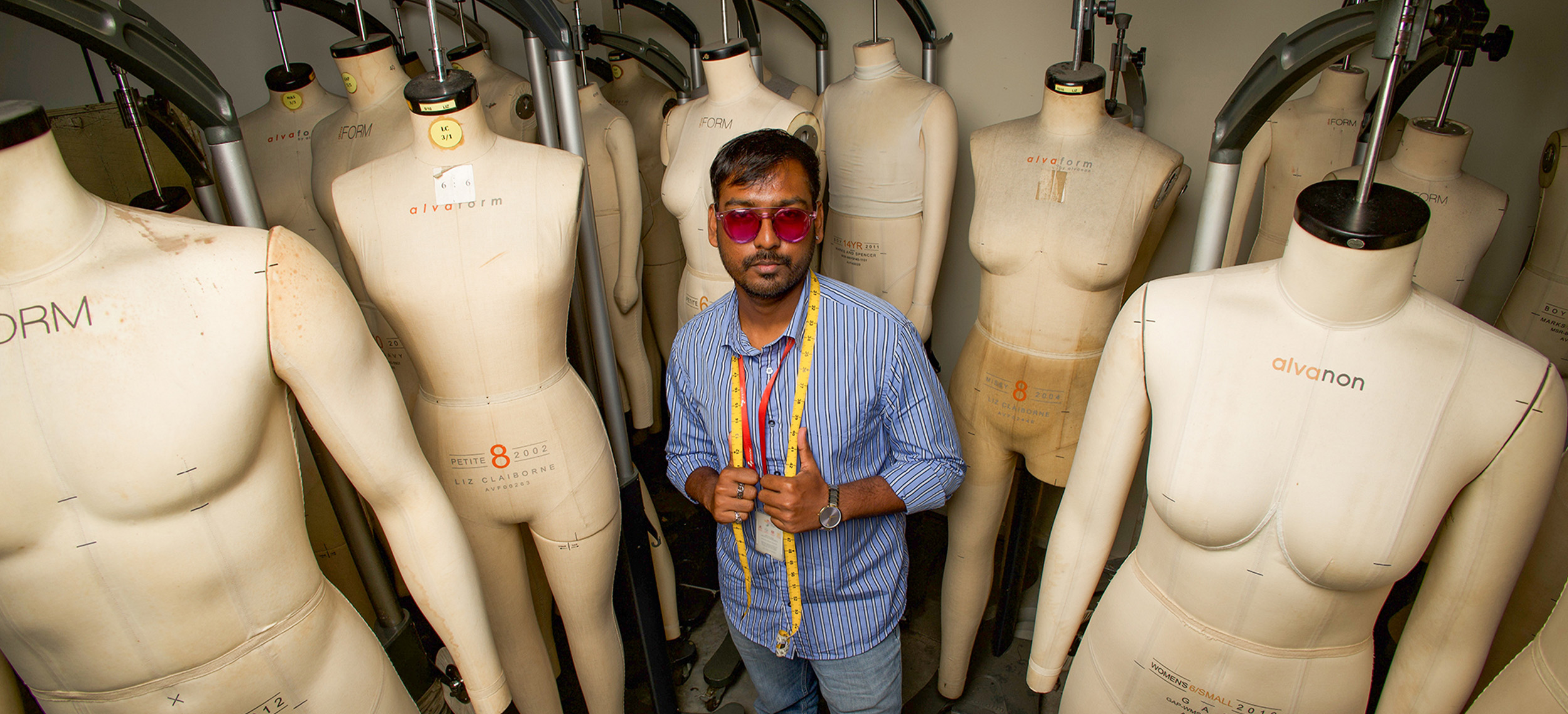
The Designer I Thought I Would Become
When I first became interested in fashion and decided to study it, I had a very specific idea of what being a designer would be like.
I imagined myself with a sketchbook, surrounded by fabrics, mood boards and inspiration. I would sketch, erase, try different fabrics, make mock-ups and keep developing an idea until I was happy with it. That image came from everywhere — movies, documentaries, fashion shows and everything else I came across.
When I went to university, much of that picture was actually true. We sketched, experimented, made mock-ups and worked with materials. You had to draw it, make it and touch the fabric. You had to see what worked and, more importantly, what didn’t.
But when I entered the industry, I realized design was much more than creating a garment. It was about understanding customers, the market, materials, technology and sustainability, while constantly asking what could be done differently.
The sketchbook was only the beginning.
And then AI entered the picture.
The first thing AI changed was not the design. It was the conversation.
When people talk about AI in fashion, the conversation often starts with AI-generated images.
For me, that wasn’t really the biggest change.
The bigger change was how quickly an idea could move from something in my head to something I could actually see. I only have to type a sentence and then BOOM!!
Designers are constantly collecting ideas. Inspiration can come from anywhere: a building, a photograph, a movie, a piece of furniture, or even something you notice while walking down the street that seems completely unrelated to fashion.
Sometimes you don’t even know exactly what you like about something. You just know there is something there that you want to explore.
Before AI, there was usually a gap between having that thought and being able to show it to someone else. You had to sketch it, explore Pinterest for references like Christopher Columbus explored the world, build a mood board or simply try to explain what was in your head.
AI has made that gap much smaller.
Suddenly, I can take an idea that exists only in my head and start visualizing it. I can change the proportion, fabric, color, styling or environment and see where the idea could go.
Not every result is good. Actually, many aren’t. But I don’t think that is necessarily the point. The value is in being able to explore.
My sketchbook became much bigger
I still sketch. I still believe there is something important about putting an idea down by hand. But AI has changed the way I use my sketchbook.
Before, I might have had one idea and explored three or four versions before deciding where to take it. Now, I can play around with an idea much more before settling on a direction.
I can see the same garment in different silhouettes, imagine a fabric used in ways I hadn’t considered, or take one mood and see where else it could lead.
It becomes less about finding the answer immediately and more about asking:
What else could this be?
Digital exploration also allows us to fail a little faster. In apparel, every physical development takes time, materials and resources. And failure is an important part of design. Sometimes the best thing an idea can do is show you what you don’t want.
But more possibilities don’t necessarily mean better design
This is where experience becomes even more important.
AI can give you an incredible number of possibilities in a very short amount of time. But there is a difference between having knowledge and knowing what to do with it.
A designer builds experience by actually doing the work: working with different fabrics, seeing how garments behave on the body, developing samples, dealing with production problems, understanding customers and working with different teams. And, perhaps most importantly, by making mistakes.
You learn that something that looked perfect in a sketch doesn’t always work as a garment. A fabric can completely change the character of a silhouette. A beautiful detail might not be practical in production.
AI can give you ten options for a design.
But someone still has to ask:
Which one works for the customer?
Which one fits the brand?
Which one can actually be made?
And sometimes, the answer is none of them.
That judgement comes from experience.
The screen still can’t tell you everything
For all the excitement around digital design, I don’t think fashion can ever become completely digital.
There is still something about making a garment that a screen cannot replicate. You can generate different versions, change the silhouette and colors, and try different fabrics. But sometimes you only really understand a design when you make it.
The fabric might behave completely differently from what you imagined. A proportion that looked right on paper might not feel right once you put it on a body. A pocket can sit differently than you expected, and sometimes a wash can change the whole feel of a garment.
You simply don’t know until you try.
The proof of the pudding is in the eating.
You can simulate a garment. You can visualize it. You can generate it. But eventually, someone has to make it, wear it and decide whether it actually works.
Maybe the future designer is both
When I think about the designer I imagined becoming at university, I realize that I wasn’t completely wrong.
I still sketch. I still look at fabrics. I still build ideas from references. I still make mistakes.
The difference is that my toolbox has become much bigger. My sketchbook now has digital tools, 3D, AI, research and much faster ways of visualizing an idea.
It isn’t necessarily about choosing between design and technology.
It is about learning how to use technology without losing the parts of design that make us human: curiosity, taste, experience, instinct and understanding people.
AI can give us the options. But ultimately, someone still has to decide what is worth making.
And maybe that is what being a designer really means today.

Kevin Fernando
Designer