Corporate Sustainability – Forging towards Net Zero

Compiled by Yamini Sequeira

Malika Samaraweera makes a case for instilling corporate sustainability


Q: What are the critical issues in our natural and social environment that need attention as a business strategy?

A: In Sri Lanka, companies must particularly address water and air pollution, which impacts the health and wellbeing of the workforce and local communities. This can lead to increased healthcare costs and reduced productivity.

Strategies such as investing in cleaner technologies, adhering to international environmental standards, and engaging in community-based environmental and social projects, can inspire the workforce – and benefit both business and the environment.

Q: Considering the dynamics of the labour market, the prevailing economic challenges and climate change-related catastrophes, how should local corporates balance people, profit and the planet?

A: They complement each other as it’s basically about managing the triple bottom line. Companies must ensure that these areas are given equal importance and linked to their strategy.

To aid this process, companies must conduct comprehensive materiality assessments to understand the most important indicators that impact businesses and stakeholders, and implement strategies to address them so as to have a positive impact on the planet.

Adopting a holistic environmental, social and governance (ESG) strategy will aid any organisation overcome the aforementioned issues. By adopting a comprehensive strategy, companies will not only be able to balance these three elements but also foresee potential risks when change is still possible.

Q: Why does corporate sustainability matter?

A: Corporate sustainability is vital as it enables companies to make a positive environmental and societal impact. This encompasses practices such as waste reduction, resource conservation and renewable energy use.

For instance, some companies have indicated how sustainable practices not only reduce environmental impacts but also enhance brand reputation, reduce costs by increasing efficiency and meet the demands of environmentally conscious customers.

Collaborative efforts in monitoring and reporting ESG data are essential in the journey towards net zero.

Q: How important is it to merge sustainability related indicators with key performance indicators (KPIs)?

A: Incorporating sustainability into KPIs across functions enables companies to track their impact effectively. Measuring the carbon footprint helps us understand the broader environmental impact of an organisation’s activities.

Energy consumption metrics guide businesses in reducing energy intensity, leading to cost savings and lower emissions. Similarly, waste reduction and recycling rates align with consumer preferences for sustainable products while social impact KPIs ensure fair treatment in the supply chain.

A KPI that businesses are already using to create actionable sustainability insights is the carbon footprint, which is one of the most important indicators to measure against, as it analyses a broader range of data from both the company in question and its suppliers and customers.

By measuring scopes one, two and three of emissions, organisations can assess how the market presence of their products or services is impacting climate change.

Energy consumption is another measure. Businesses can look into how much energy their operations consume and determine where they can use less, resulting in cost savings for the company and fewer emissions from energy production facilities.

Digital tools are more than capable of measuring how much energy is used in different areas. Applications such as the Industrial Internet of Things (IIoT) can provide valuable information on production energy consumption.

Measuring waste reduction and recycling rates is also important to remain competitive.

To remain in sync with market trends, organisations will benefit from monitoring waste management to ensure that not only production is sustainable but the products themselves fit into a circular economy.

Social impact is another key KPI. In relation to sourcing and the shift in consumer behaviour, businesses must be able to recall information regarding the treatment of suppliers.

ESG reporting too can provide insights into the social impacts of operations.

Q: What green trends do you observe across the manufacturing industry?

A: The industry is increasingly adopting renewable energy, optimising water usage and implementing sustainable waste
management practices.

Recent trends include the integration of Industry 4.0 technologies for greater efficiency and traceability in supply chains.

Q: How should organisations adopt a holistic approach to being environmentally conscious?

A: Organisations should adopt environmental consciousness by actively invol­ving stakeholders such as employees, customers and the public.

This can include employee training programmes on sustainability practices, education campaigns on the environmental impact of products manufactured, and community projects focussed on local environmental and social concerns.

Such an inclusive approach not only fosters a culture of sustainability within the organisation but also builds the momentum to drive broader societal change.


Brandix Excels at Presidential Export Awards

Wins contributor to sustainable development in exports award
Sri Lanka’s premier apparel manufacturer, Brandix, was recognised for leading Sustainable Development in Exports from Sri Lanka, at the Presidential Export Awards 2023 held yesterday. The seven-time winner of the Exporter of the Year award organised by the Export Development Board, Brandix, received the accolade from President Ranil Wickremesinghe highlighting the collective effort of 60,000 staff to drive quality manufacturing in Sri Lanka’s apparel sector.

Brandix received the accolade for its contribution to Sustainable Development in Exports for the period 2021/22 and was recognised for its role in Large Category Apparel Exports in 2021/22 and 2022/23.

The Presidential Export Awards are the most prestigious awards presented by the President to exporters in recognition of their outstanding contribution to the export sector and to the economic development of the country.

Brandix has led Sri Lanka’s apparel industry for over five decades, delivering apparel solutions to world-renowned brands. Brandix also holds the distinction of being the first Net-Zero Carbon apparel manufacturer in the world, with six of its facilities now certified Net-Zero. The company will convert all its manufacturing facilities around the world to Net-Zero by 2030.

ICTA Forges Strategic Alliance with Brandix to Fuel Sri Lanka’s Startup Ecosystem

In a resolute commitment to catalyzing Sri Lanka’s vibrant Startup Ecosystem, the Information and Communication Technology Agency (ICTA) of Sri Lanka proudly announces the renewal of its partnership with Brandix Apparel Limited for the second consecutive year. This strategic alliance aims to significantly bolster startups by providing essential funding and fostering their swift expansion. The primary focus is to fuel technological entrepreneurship within Sri Lanka, propelling its future digital economy.

Under the umbrella of the Spiralation Startup Incubator, early-stage tech entrepreneurs receive comprehensive support. The initiative encompasses seed funding, specialized training, networking opportunities, and avenues for business promotion on both local and international fronts.

The memorandum was signed by Professor Malik Ranasinghe, Chairman of ICTA, and Arjuna Sirinanda, the Managing Director of Fortude and Director – IT/Digital of Brandix, on October 30, 2023.

As the national host of Global Entrepreneurship Week Sri Lanka, running from November 13th to 19th, ICTA remains committed to driving entrepreneurial endeavours within the country.

ICTA has embraced a comprehensive, data-driven strategy for the development of the startup ecosystem, providing support to entrepreneurs at every stage of the startup lifecycle, from ideation to growth. The Spiralation initiative has been instrumental in aiding over 150 startups to date. Many of these startups have not only expanded their reach to more than 30 countries globally but have also collectively contributed to the creation of over 1,000 job opportunities. Brandix Apparel Ltd. has committed to funding a total of 10 million, in addition to providing expert guidance, training, and mentoring for selected Spiralation startups. This partnership aims to offer vital financial support to burgeoning startups in their journey towards development and growth.

Professor Ranasinghe expressed, “ICTA stands as the foremost entity driving the nation’s digital transformation. Under the Digital Economy Pillar, our goal is to promote, encourage, and back technology-focused startups and innovation in Sri Lanka, aiming to establish 1,000 startups by 2025. We are thrilled to join forces with Brandix, whose support will be instrumental in realizing this vision for our nation’s advancement.”

In response to the memorandum, Mr. Sirinanda highlighted, “At Brandix, our digital infrastructure is pivotal in delivering innovative solutions to our customers. Continuously exploring how technology can enhance our operations to offer superior products at competitive prices is our ongoing commitment. With this in mind, we are pleased to enter into a collaborative partnership with ICTA, a like-minded governmental organization. Our joint efforts will serve to incubate the ideas of Sri Lankan technology entrepreneurs, potentially fostering the creation of world-class digital solutions.”

Eng. Nalin Karunasinghe, Board Member of ICTA, Mr. Mahesh Perera, CEO of ICTA, Mr. Oshadha Senanayake, COO – Digital Transformation at Brandix, along with officials representing ICTA and Brandix Apparel Limited, and a group of technological entrepreneurs were also in attendance for this significant occasion.

Brandix Apparel Stronger after Pandemic in Bangladesh

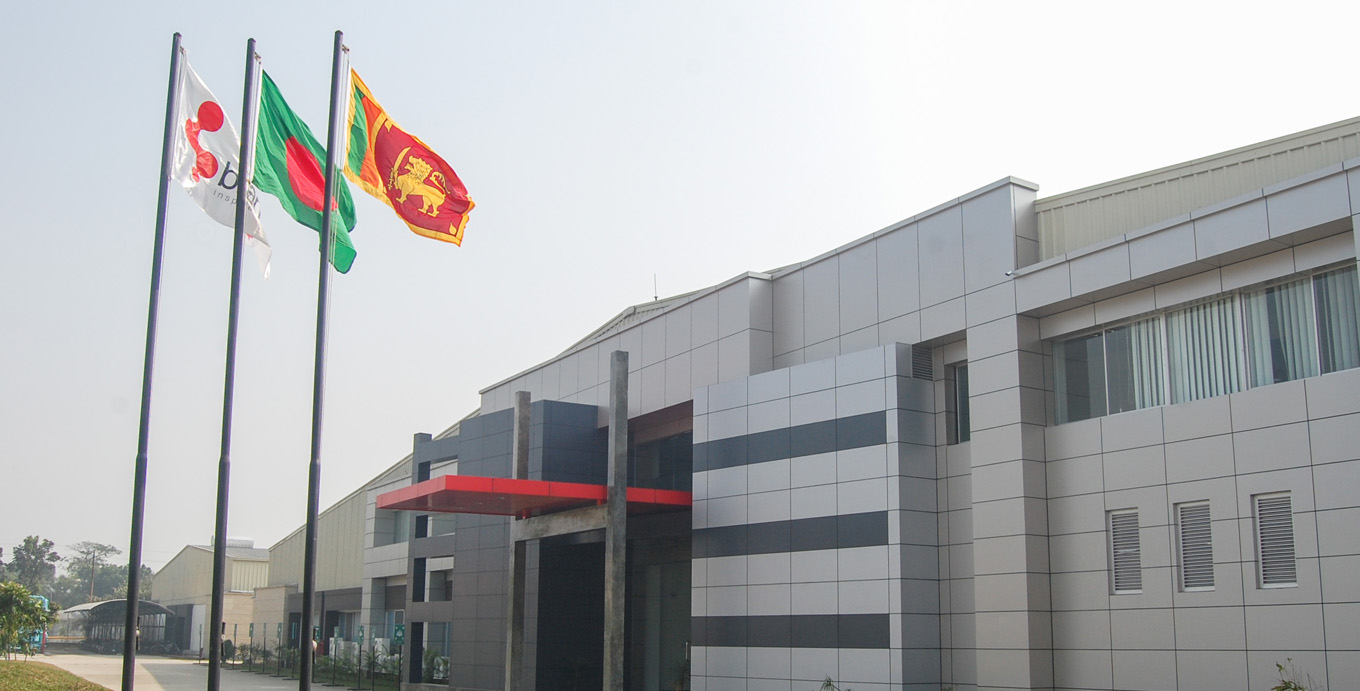
Brandix Casualwear Bangladesh Ltd is aggressively continuing its digital transformation journey while constantly innovating its product portfolio amid multiple challenges after the pandemic.

Having started operations in its second factory in 2021, the company has ramped up about 50 per cent of the capacity, Sanuja Herath Chief Operating Officer, Brandix Casualwear Bangladesh Ltd told the Business Times in an interview in Dhaka recently. “We are now over a decade in Bangladesh after starting our first factory in 2010. Sri Lanka is focused on the fast, high-end, and highly technical products. We wanted to focus on more volume-driven businesses when we decided to expand and identifiy Bangladesh as the right place to do so.” This is when the company acquired a manufacturing plant in Cummila near the Dhaka Chittagong Highway. “It is situated in an export processing zone and is 110 km away from the airport as well as 130 km away from the Chittagong seaport,” Mr. Herath added.

Of the Bangladeshi exports, 50 per cent are apparel which accounts for US$45 billion as per last year’s figure and this is a sector that the government is focusing on developing. “With the economy and political stability, there is a consistency in policy which helps us to run our business,” Mr Herath added. He said apart from this, the other advantage that Bangladesh has is the relatively low manufacturing cost. “We also benefit from the utilities, and gas is the most used in manufacturing which is widely available in Bangladesh.” He said to mitigate the risks in the country the company has heavily invested in the latest technologies, machinery, and innovation to bring the advantage of reducing the manufacturing costs to be competitive.

He said that Bangladesh is not competitive enough with the lead time, which is a disadvantage. Hence, the idea is to place more volume driven businesses in the country with higher lead times.

Mr. Herath added that Bangladesh can supply to India as it will be a bigger market in two to three years’ time.

Gift of Life from the Brandix Group, Sri Lanka’s Largest Corporate Donor of Blood

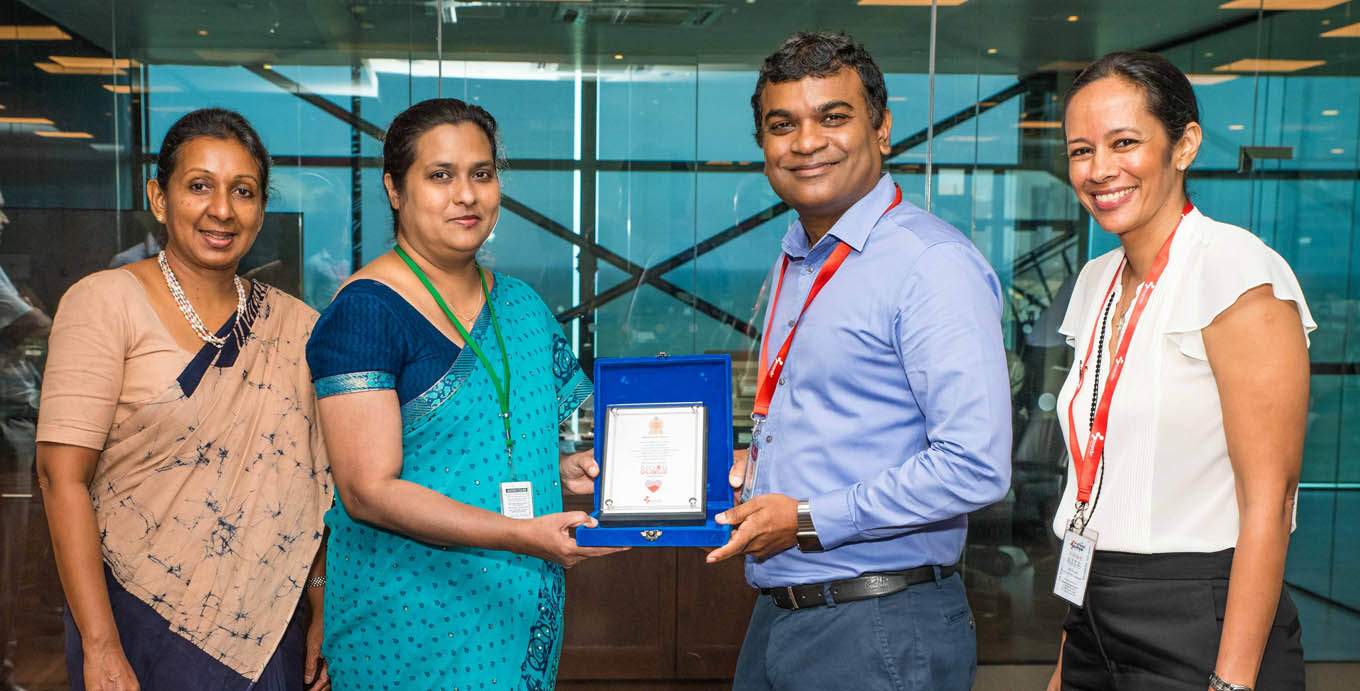
Brandix was felicitated once again as Sri Lanka’s largest corporate blood donor by the National Blood Transfusion Service (NBTS), for the 11th consecutive year. Last year, Brandix staff from all over Sri Lanka donated over 5,700 pints of blood – the gift of life – to the NBTS, bringing its total contribution up to 42,041 pints since 2011. One in every 100 blood donors in Sri Lanka is part of the Brandix family.

During an event at the NBTS in Colombo, Brandix was recognized as the Largest Corporate Blood Donor, and Organiser of the Largest Mobile Campaign. The Brandix facility in Batticaloa was felicitated for Best Mobile Donation Campaign Organiser and Highest Contributor in the Eastern Province. The facility in Avissawella won Best Mobile Donation Campaign Organiser in the region.

Director of the NBTS, Dr. Lakshman Edirisinghe, said: “Contributions from Brandix and its employees have enriched the lives of thousands of Sri Lankans over the years, and of those engaged within the health sector. In addition to the support rendered to the NBTS to maintain a regular supply of blood, the company helped establish a Blood Bank at the Negombo District General Hospital and collaborates extensively with the Ministry of Health to ensure effective operations at hospitals around the country. This includes the provision of clean drinking water and sanitation. The NBTS and Sri Lanka’s health services sector is privileged to partner with Brandix to advance healthcare all over the island.

Nalin De Mel from the Brandix Essentials facility in Koggala has made the highest individual contribution of blood with 49 pints to date. From Batticaloa, 800 Brandix employees donated blood last year, with 498 from Polonnaruwa, 367 from Girithale, 343 from Wathupitiwala and 310 from Welisara amongst others.

At Brandix, we are committed to the well-being of all our family, and that commitment extends beyond our walls to the communities in which we serve. The ‘blood drive’ is an integral part of our pledge to enhance Sri Lankan lives, and we are deeply grateful for the opportunity and assistance offered by the NBTS and the Ministry of Health towards our mission,” added Malika Samaraweera, Group Head of CSR, Brandix.”

A Sustainability Champion

In an era when catastrophic effects of global warming and climate change are increasingly tangible, Brandix acknowledges the urgency and embraces the responsibility of acting now. With a deep-rooted understanding of the planet’s pressing environmental challenges, the company has charted a proactive path towards sustainable operations.

Brandix’s commitment isn’t merely a response to the global crisis – it’s an assertion of its place at the forefront of global industry’s sustainability efforts.

Driven by this dedication, Brandix has set a bold target: to achieve ‘net zero’ carbon emissions across all its factories by 2030. Within a short time, this vision is being realised as six of its factories have been certified as net zero carbon apparel manufacturing facilities.

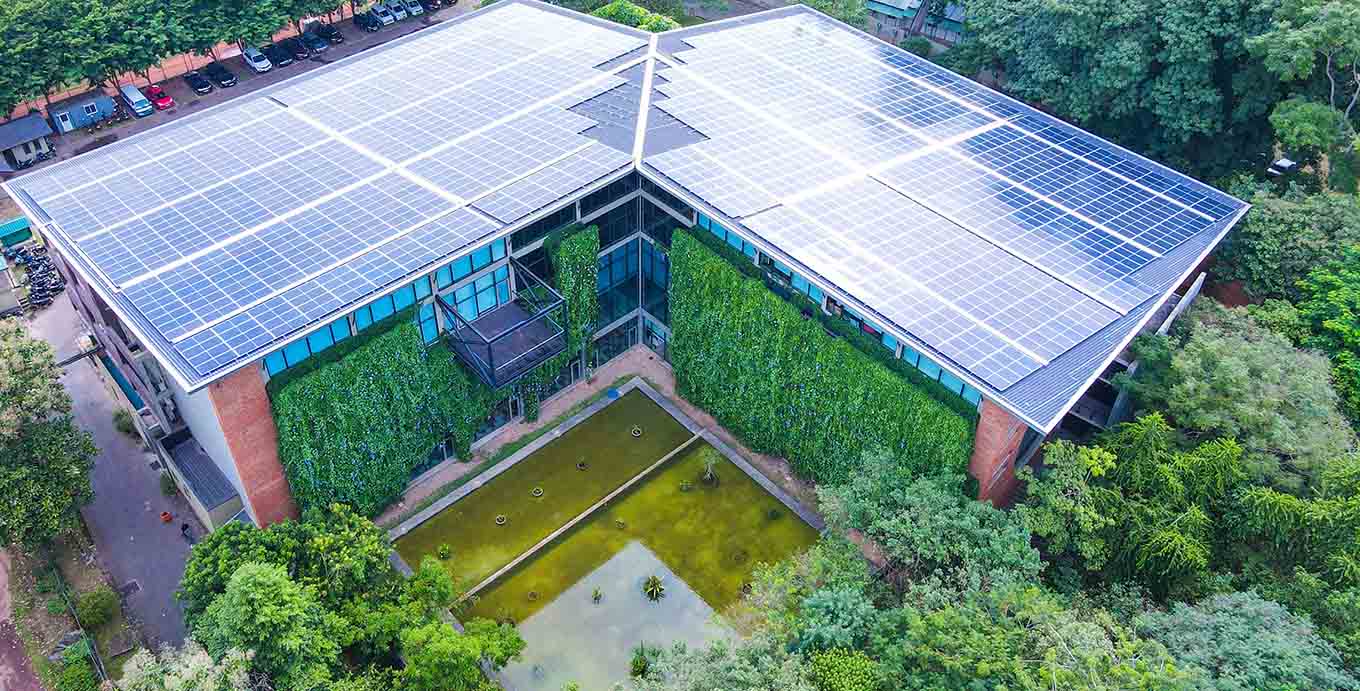
Brandix was already recognised as having the world’s first net zero carbon apparel manufacturing facility, coupled with being the planet’s first LEED Platinum certified apparel manufacturing facility.

And Brandix underscored its commitment to combat climate change and further work towards decarbonising its operations by becoming the first Sri Lankan signatory to The Climate Pledge. Brandix is also the only apparel manufacturer in the entirety of the Asia-Pacific region to sign the pledge.

A true sustainability champion, Brandix has established its robust credentials as a thought leader in environmental, social and governance (ESG) led sustainability in its race to nurture the planet.

In this interview, the apparel giant shares how its sustainability and business practices are impeccably interwoven so as to have a positive impact on the planet.

Q: How should organisations adopt a holistic approach to being environmentally sustainable?

A: At Brandix, we take a holistic approach to sustainability. Our accomplishments over the years – becoming the world’s first LEED Platinum rated apparel manufacturing facility and being declared the planet’s first net zero carbon apparel manufacturing facility – testify to our commitment to fulfil this promise.

Brandix wanted to differentiate its net zero ambition clearly from being carbon neutral, which refers to offsetting the total amount of carbon emissions through external means; while net zero carbon means balancing the emissions of a facility through on-site renewables. Its strategy focuses on reducing greenhouse gas (GHG) emissions through energy efficient production and transitioning to renewables.

Q: How important is it to merge sustainability-related measures into key performance indicators (KPIs)?

A: It’s very important – because otherwise, it will essentially be greenwashing or there won’t be any of the actual benefits reaped in implementing those sustainability initiatives.

Embedding sustainability in the work you do in terms of a performance metric is very important to walk the talk as it also ensures that the risks or potential constraints are highlighted in advance.

Q: In your opinion, has there been a significant change of focus from ‘saving the environment’ to ‘saving the economy’ in the context of the economic crisis?

A: In our view, saving the environment is synonymous with saving the economy. Brandix in particular prioritised the environment even during the economic crisis because we realised through past experiences that the two – economy and environment – are inseparable.

As the first net zero apparel manufacturing facility in the world, our facility is accruing benefits by way of lowered operating costs.

This is a perfect example of how saving the environment can save the economy.

Q: What steps can be taken from an apparel sustainability perspective to get back on track?

A: The first step would be to understand the burning issues that impact your business or industry alongside the impact these have on your stakeholders.

Materiality determination is seen as the fundamental step towards identifying and addressing the most critical ESG topics at Brandix. By focusing on these topics, we have been able to lead the industry in many of the same.

Q: Considering the dynamics of the labour market, economic challenges and climate change catastrophes, how do you think local corporates should balance the triple bottom line: ‘people, profit and planet’?

A: It is important to link people, planet and profit, which is what Brandix has done through its ESG framework. Sustainability is a much broader exercise than conserving energy, water and waste, which is why Brandix has aligned its approach to global frameworks such as the Sustainable Development Goals (SDGs) and the Ten Principles of the United Nations Global Compact.

We believe it is important to remain focused on the prioritised material topics.

Q: What particular steps towards sustainability were taken after the economic crisis?

A: In terms of environmental sustainability, Brandix prioritised resource optimisation and renewable energy by conserving resources – either through in-house developed technology or tweaks to an existing process – to render energy savings.

Against the backdrop of the economic crisis, digitalisation is prioritised and non-value adding activities eliminated to save time and resources.

Q: What do you feel are the most critical issues facing Sri Lanka’s natural environment that need attention?

A: From social and environmental sustainability points of view, water remains a significant concern, both in terms of consumption and availability, which can lead to a potential food crisis as well.

After experiencing an energy crisis, and considering the detrimental effects of carbon emissions and climate change on the planet, it’s evident that environmental factors are impacting Sri Lanka adversely.

Rising temperatures and sea levels leading to contamination of rivers can severely affect not only aquatic life but also, water used for crops; and ultimately, affect the nation’s food security.

Q: What are the green trends you’re seeing in the industry?

A: Renewable energy is in the news and now, we see the acceleration of digitalisation. From an apparel point of view, traceability – not only within our organisation but beyond, in terms of raw materials before they enter our facility, as well as finished goods up to the point of final disposal – is important. Traceability and product life cycle assessment therefore, are major trends that we are seeing.

Furthermore, sustainable raw materials – whether from recycled, upcycled or biodegradable materials – are something consumers are demanding. There are many sustainable processes across the apparel value chain such as waterless dyeing and so on.

Q: What are some of the recent initiatives for conserving the environment?

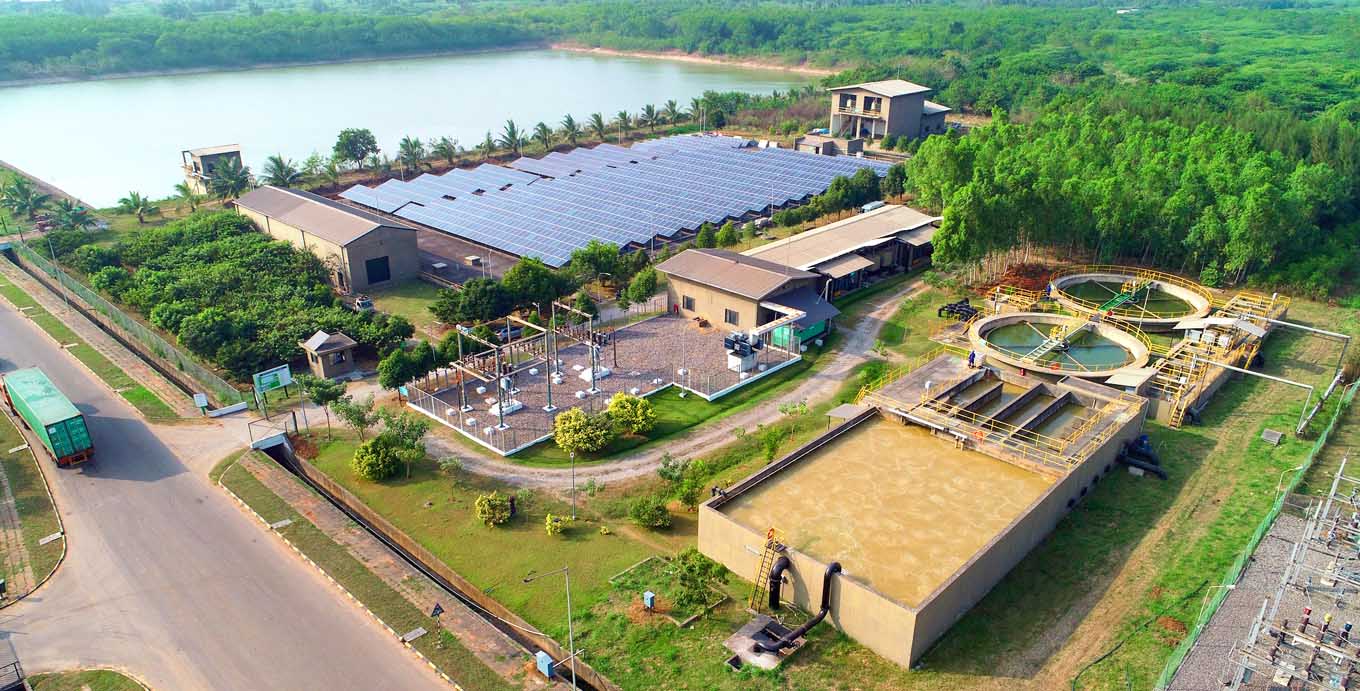
A: Brandix enhanced its renewable energy transition by investing in rooftop solar decks at selected manufacturing facilities in Sri Lanka and India. At present, these new installations have increased the group’s collective installed solar capacity to over 20 MW, allowing us to meet approximately 74 percent of the annual electrical energy requirement of all our apparel manufacturing facilities.

These efforts will enable Brandix Sri Lanka operations to reach the final phase of its net zero carbon transition with the formal certification process due to be concluded by financial year 2023/2024.

Net zero carbon implementation programmes for India and Bangladesh are underway, and will conclude certification process by 2025 and 2027 respectively, putting Brandix on track to be certified net zero carbon across all our facilities worldwide by 2030. Brandix hopes to add a further 9.7 MW of solar photovoltaics (PV) in India as part of the next phase of the solar installation project.

A part of our net zero carbon plan is to ensure that 100 percent of energy requirements are met through sustainable sources.

At Brandix India Apparel City (BIAC), rainwater is harvested through the park’s combined 665 million litres (ML) capacity ponds, from which BIAC has harvested approximately 1271 ML of rainwater over the past three years, accounting for 29.6 percent of the park’s total annual water usage.

Q: What are your future plans when it comes to environmental sustainability?

A: Going ahead, renewable energy would be significantly accelerated across our facilities; and this year, we hope to achieve approximately 21 MW of solar power in Sri Lanka and close to 10 MW in India, and intend to expand this to our facility in Bangladesh as well.

Digitalisation is at the forefront of our efforts, given the ‘smart factory’ concept we are working on to enhance the adoption of Industry 4.0 elements.

From a water perspective, we are working towards increasing our ‘greenwater’ footprint, which refers to our recycled water and harvested rainwater – with the ultimate goal of eliminating the use of ground water. Our goal is to recycle and reuse all of our waste; and ultimately, reincorporate waste material back into a supply chain through upcycling.

With sustainability engraved into the DNA, our primary focus is to reduce our negative impact on the planet, and leave a positive imprint on our people and communities in which we operate.